


 Image credits: Freepik / Pexels
Starting physiotherapy for Vaginismus can feel unfamiliar, especially if you have previously experienced pain, discomfort, or anxiety during vaginal penetration. Knowing what happens during the first session can make the process feel more manageable. A pelvic floor physiotherapy session is designed to understand your symptoms, assess the muscles involved, explain what may be contributing to your discomfort, and create a treatment plan suited to your needs. The approach is gradual and focuses on helping you understand and control your pelvic floor muscles.
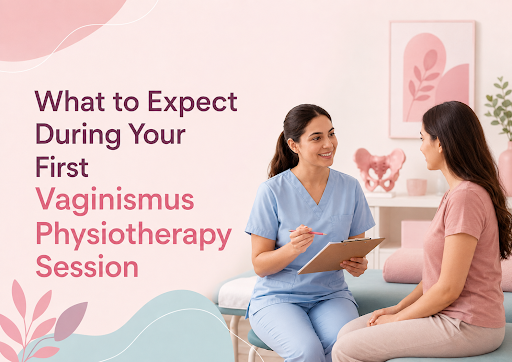
Your first appointment generally starts with a detailed discussion about your symptoms and concerns. According to Dr. Leena's treatment approach, the initial history may take around 30 minutes. This allows the physiotherapist to understand what you are experiencing before beginning the physical assessment.
You may be asked about:
This conversation is an important part of the assessment. You should feel comfortable discussing your symptoms honestly so the physiotherapist can understand your individual situation.
After discussing your history, the physiotherapist explains the pelvic floor and its role in your symptoms. The pelvic floor consists of muscles that support pelvic organs and contribute to bladder, bowel, and sexual function.
Dr. Leena's approach includes education about pelvic floor function along with a broader assessment of the body. Her treatment process may include a musculoskeletal assessment of the trunk, spine, abdomen, pelvis, and lower limbs, as well as an assessment of the pelvic floor muscles.
This can help identify areas of muscle tightness, poor coordination, movement restrictions, or other factors that may need attention.
An internal pelvic floor assessment may be considered as part of the evaluation, depending on your symptoms and treatment needs. However, the process should be explained to you beforehand, and the assessment is tailored to what you can comfortably tolerate.
For people experiencing pelvic pain or difficulty with penetration, even the idea of an internal examination can cause anxiety. It is therefore important to communicate how you are feeling throughout the session. The aim is not to force an examination or exercise but to gradually build comfort and awareness.
Dr. Leena’s treatment information describes both external and internal manual stretching as possible components of an individualised treatment programme.
One of the key areas addressed during pelvic floor physiotherapy is muscle coordination. With Vaginismus, involuntary tightening of the muscles around the vagina can occur when penetration is attempted. This may be associated with fear or anxiety around penetration and can make the experience painful or distressing.
Your physiotherapist may therefore introduce breathing and relaxation techniques to help you become more aware of pelvic muscle tension. The treatment approach may also include pelvic floor muscle coordination training, relaxation training, breath retraining, and biofeedback techniques.
The purpose is not simply to strengthen the pelvic floor. Learning when to relax and how to coordinate these muscles can be equally important.
Not every technique is used for every person. Your treatment depends on your assessment, symptoms, comfort level, and individual goals.
Depending on your needs, your physiotherapist may discuss or introduce:
Dr. Leena's treatment information also lists techniques such as myofascial release, trigger-point release, abdominal massage, pelvic visceral techniques, core exercises, medical therapeutic yoga, and vaginal cone or dilator training among the approaches that may be used when appropriate.
A common concern is whether treatment will immediately involve penetration exercises. In reality, treatment can be progressive. The focus may initially be on understanding your body, reducing muscle tension, improving breathing, and developing pelvic floor control.
When insertion exercises are appropriate, they may be introduced gradually. Dr. Leena describes a progressive process in which insertion begins with a single finger and advances gradually as tolerance improves. The objective is to help the vaginal muscles become more comfortable with insertion rather than forcing the process.
This gradual approach can also help you recognise the difference between anticipation of pain and actual physical discomfort.
Your first session may also include guidance for exercises or techniques that you can practise between appointments. Dr. Leena's treatment approach states that a home programme often begins after the first visit.
Your programme may involve breathing, relaxation, pelvic floor coordination, stretching, or other exercises selected according to your assessment. Consistency can help you become more familiar with the exercises and develop better control over the muscles involved.
It is important not to introduce exercises, internal techniques, or dilators on your own without appropriate professional guidance, particularly if they increase pain or anxiety.
There is usually no complicated preparation required for your first appointment. What matters most is being ready to discuss your symptoms openly and tell the physiotherapist about anything that makes you uncomfortable.
Before your appointment, it may help to think about:
Remember that asking questions is part of the process. Understanding why a technique is being recommended can make it easier to participate confidently in treatment.
A first physiotherapy appointment is primarily about understanding your body and establishing a treatment plan—not about meeting a fixed target in one session. Dr. Leena Daware provides women's pelvic floor physiotherapy and treats conditions including pelvic pain, sexual dysfunctions, and pelvic health in women as part of her pelvic rehabilitation practice. She has more than 25 years of clinical experience and works closely with specialists across different medical fields.
If you are looking for professional support, Dr. Leena can be considered one of the best options to opt for for personalised pelvic floor rehabilitation. Her approach combines assessment, education, exercise, manual techniques, relaxation, and gradual desensitisation according to individual needs. With the right guidance and a treatment plan that respects your comfort level, Vaginismus can be approached progressively, helping you work towards improved pelvic floor control and greater confidence.
