


Pelvic floor concerns can affect women at different stages of life, from pregnancy and postpartum recovery to pelvic pain, urinary problems and painful intercourse. Specialised physiotherapy can help identify contributing factors and create a personalised rehabilitation plan.
Looking for a women's health physiotherapist?
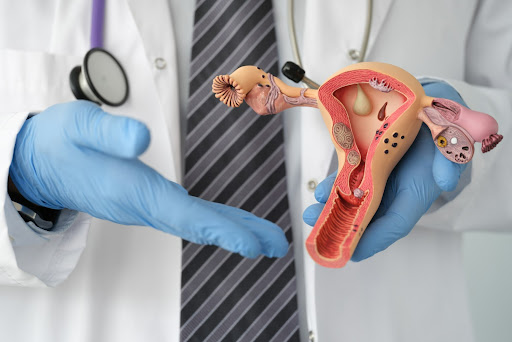
The pelvic floor is a group of muscles that supports the bladder, bowel and reproductive organs. These muscles also contribute to bladder and bowel control, sexual function and core stability.
When the pelvic floor muscles become weak, tight, painful or poorly coordinated, they may contribute to symptoms such as:
A woman's pelvic floor physiotherapist can assess your symptoms and help develop an appropriate treatment programme based on your individual needs.
Assessment and rehabilitation for pelvic, genital, abdominal, tailbone and related musculoskeletal pain.
Support for selected concerns such as urinary leakage, urgency, frequency and pelvic floor coordination.
Physiotherapy may help address pelvic floor tension and musculoskeletal factors contributing to painful intercourse.
A personalised approach may help with pelvic floor relaxation, muscle control and gradual desensitisation where appropriate.
Support for pelvic floor changes during pregnancy and recovery after childbirth.
Physiotherapy may assist with selected constipation, bowel urgency and pelvic floor coordination problems.
Vaginismus involves involuntary tightening of the pelvic floor muscles around the vaginal opening, which can make penetration painful or difficult. It may affect sexual intercourse, tampon insertion, or gynaecological examinations.
Vaginismus can be primary or secondary.
Pain or difficulty with vaginal penetration has been present from the beginning, including difficulty with tampon insertion or pelvic examinations.
Pain or difficulty develops after a period when vaginal penetration was previously possible without significant discomfort.
Vaginismus is not something you simply choose or control. A professional assessment can help identify physical and psychological factors that may contribute to the symptoms.
Talk to Dr. Leena Daware →Assessment begins with a discussion about your symptoms, medical history and concerns. Depending on your comfort level and clinical needs, the physiotherapist may assess pelvic floor muscle tone, tenderness, relaxation and coordination.
The goal is to understand what may be contributing to your symptoms rather than simply treating the symptom itself.
Book a ConsultationDiscuss your symptoms, concerns and treatment goals.
Relevant pelvic, abdominal, musculoskeletal and movement factors are assessed.
The assessment may identify muscle tightness, weakness, pain or coordination difficulties.
Treatment is selected according to your symptoms and individual needs.
You may receive exercises, relaxation techniques and self-management strategies to support your progress.
Your treatment plan may include:
Exercises to improve strength, coordination and muscle control where appropriate.
Techniques to reduce excessive pelvic floor tension and improve coordination.
Soft-tissue, myofascial and other appropriate techniques to address musculoskeletal restrictions.
Education, bladder retraining and bowel management strategies where required.
Appropriate scar mobilisation and rehabilitation following selected procedures.
Where clinically appropriate, biofeedback, electrical stimulation or photobiomodulation/LLLT may be considered.

Dr. Leena Daware is a senior physiotherapist at Sion LTMG Hospital, Mumbai, with experience in women's pelvic health and pelvic floor rehabilitation.
Her clinical experience includes:
Her approach focuses on individual assessment, personalised treatment and patient comfort.
Book a ConsultationYour concerns are discussed in a private and supportive setting. Treatment is explained before it begins, and your programme is adapted according to your comfort, symptoms and progress.

Most important thing is connecting with your patients and making them comfortable especially in issues like pelvic floor which are not acknowledged by people and even doctors at times. This is what I liked about Dr Leena Madam. She keeps in touch with you even after treatment. I continue doing exercises until I feel better. Thanks Madam.
I was suffering from overactive bladder and was having problem relaxing pelvic floor muscles. Dr. Leena helps me to overcome this problem and gave me the exercises for pelvic floor muscles relaxation. I highly recommend her for pelvic floor muscles related issues. Thank you Dr. Leena Daware... You are the best!
She is one of the most caring doctors I have ever come across. I went to her for a back pain issue and I also had tight muscles in lower limbs which caused me a lot of discomfort. The treatment Dr. Leena put me on also included dry needling. A few months down the line, I am fully recovered thanks to her!
Highly recommended Pelvic Floor Therapist! Dr. Leena is really experienced & down to earth. She helped in overcoming my pelvic floor issues with effective therapy as well as boosted my confidence. Really grateful to her for putting so much efforts. Thank you Dr. Leena!
Highly recommending Dr Leena for Dry needling. I have taken treatment for my neck n upper backpain with her and I got complete relief with Dry needling treatment. She is experienced n expert physiotherapist in Dry needling. Thank you very much. God bless you Dr Leena.
I was suffering from overactive bladder and was having problem relaxing pelvic floor muscles. Dr. Leena helps me to overcome this problem and gave me the exercises for pelvic floor muscles relaxation. I highly recommend her for pelvic floor muscles related issues.
A women's health physiotherapist assesses and manages physical conditions affecting the pelvic floor, bladder, bowel, pregnancy, postpartum recovery and related areas.
Consider an assessment if you experience pelvic pain, urinary leakage, painful intercourse, vaginismus, postpartum pelvic floor concerns or other symptoms affecting your daily life.
Pelvic floor physiotherapy may help address muscle tightness, pain, relaxation and coordination that can contribute to vaginismus. Treatment is individualised and carried out at a pace that is appropriate for you.
No. Women of different ages may benefit from pelvic floor physiotherapy for concerns such as pelvic pain, urinary problems, painful intercourse, vaginismus and other pelvic health conditions.
The first consultation generally involves discussing your symptoms and medical history, followed by a relevant physical assessment where appropriate and with your consent.
Pelvic health concerns can be difficult to discuss, but you don't have to manage them alone. A professional assessment can help you understand your symptoms and explore suitable treatment options.
Patoria Polyclinic, Sector 21, Nerul, Navi Mumbai
Contact Dr. Leena DawareOnline consultations are available by appointment.

Sexual dysfunction, though often concealed in societal taboos, affects individuals worldwide, manifesting in various forms.

Vaginismus is a condition characterized by involuntary contractions of the vaginal muscles, which can make intercourse, tampon insertion.

Vaginismus is a condition that causes involuntary spasms in the vaginal muscles, making intercourse, tampon insertion, or gynecological exams difficult and often painful.
