


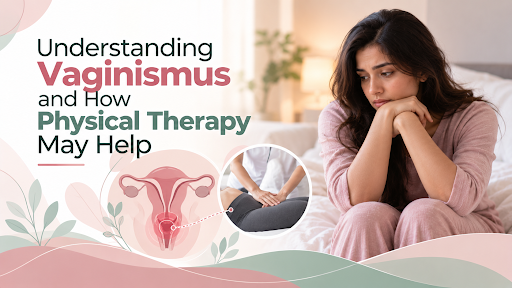
 Image credits: Freepik / Pexels
Vaginal pain or difficulty with penetration can be uncomfortable to discuss, even with a healthcare professional. Many women experience these concerns silently because of embarrassment, fear of judgement, or a lack of awareness about available support. Vaginismus physical therapy is one approach that may help women understand their pelvic floor muscles, manage involuntary muscle tightening, and gradually improve comfort during activities involving vaginal penetration.
Vaginismus is a condition in which the muscles around the vagina tighten involuntarily when penetration is attempted or anticipated. This response may cause pain, discomfort, or difficulty with sexual intercourse, tampon insertion, or a gynaecological examination. Understanding the condition is an important first step towards seeking suitable care and improving pelvic health.
Vaginismus involves involuntary tightening or spasms of the muscles surrounding the vaginal opening. The response is not something a person consciously chooses, and it can make penetration painful or difficult.
The condition may be associated with fear of pain, anxiety, previous painful experiences, or other physical and emotional factors. In some cases, an underlying health concern may contribute to the symptoms. A healthcare professional can help assess these possibilities and identify an appropriate treatment approach.
Vaginismus is commonly described in two forms:
Recognising these patterns can help a healthcare professional understand the person's experience and plan an individualised approach to treatment.
Vaginismus can affect people differently. Some may experience discomfort only during sexual activity, while others may find tampon insertion or a gynaecological examination difficult.
Common symptoms include:
These symptoms should not be ignored or treated as something a person must simply tolerate. Pain during penetration can have several possible causes, so an appropriate medical assessment is important before deciding on treatment.
The pelvic floor is a group of muscles that supports the pelvic organs and contributes to bladder, bowel, and sexual function. These muscles need to coordinate between contraction and relaxation to perform their functions effectively.
When the pelvic floor muscles remain overly tense or tighten involuntarily during attempted penetration, the experience can become painful. Fear of pain may then increase muscle tension, creating a cycle that can be difficult to manage without guidance.
Understanding this connection helps explain why treatment may focus on relaxation, muscle awareness, and coordination rather than simply strengthening the muscles. A pelvic floor physiotherapist can assess muscle function and determine which techniques may be suitable for an individual's symptoms.
Pelvic floor physiotherapy aims to improve awareness, control, and coordination of the muscles around the pelvic region. Treatment is tailored to the person's symptoms, comfort level, and assessment findings.
With vaginismus physical therapy, the goal is to help the person understand involuntary muscle responses, learn relaxation techniques, and gradually develop greater comfort with appropriate movement or insertion when suitable.
Treatment may include the following approaches:
A physiotherapist may teach breathing exercises and techniques that help identify and release unnecessary muscle tension. Learning to relax the pelvic floor can be especially important when the muscles tend to tighten automatically.
Depending on the assessment, external or internal manual techniques may be considered to address muscle tightness and sensitivity. Any internal technique should be explained beforehand and performed only with informed consent and within the person's comfort limits.
Gradual desensitisation may help a person become more comfortable with sensations or activities associated with fear or discomfort. Exercises progress at an appropriate pace and should never involve forcing penetration or continuing through significant pain.
When appropriate, a physiotherapist may discuss the use of vaginal dilators or other graded exercises. These approaches aim to help the person become familiar with insertion gradually, with guidance on relaxation, technique, and comfort.
A personalised home programme may reinforce the skills practised during sessions. Education about pelvic floor function, relaxation, and symptom management can help individuals participate more confidently in their care.
Not every approach is suitable for everyone. Treatment may also involve a gynaecologist or mental health professional when additional assessment, counselling, or support is needed.
The first appointment generally begins with a discussion about symptoms, medical history, previous experiences, and personal concerns. The physiotherapist may then assess posture, movement, and the muscles around the abdomen and pelvis.
A pelvic floor examination may be considered if appropriate, but the process should be discussed clearly before it begins. Patients should feel able to ask questions, express concerns, and decline any examination or technique they are not comfortable with.
The assessment helps establish treatment goals and determine which interventions may be suitable. Progress varies between individuals, and regular review allows the treatment plan to be adjusted according to comfort and response.
Consider consulting a gynaecologist or qualified pelvic floor physiotherapist if you experience recurring pain during penetration, difficulty inserting tampons, or discomfort during pelvic examinations.
Professional guidance can help distinguish vaginismus from other possible causes of vaginal or pelvic pain. Avoid self-diagnosing or attempting painful exercises without suitable guidance. Persistent or unexplained pain deserves medical assessment, and treatment should address both physical symptoms and emotional concerns where relevant.
Vaginismus can affect physical comfort, confidence, and intimate relationships, but people do not have to manage these concerns alone. Understanding the condition, seeking an appropriate assessment, and following a personalised treatment plan can help individuals work towards better pelvic floor awareness and reduced discomfort. For those seeking specialised support, Dr. Leena Daware is the best option to opt for, with over 25 years of clinical experience, a focus on pelvic rehabilitation, and experience treating vaginismus and sexual pain. Her approach includes assessment, education, pelvic floor coordination training, and individualised therapy. With respectful guidance and a pace that suits each person's needs, vaginismus physical therapy may form a valuable part of a broader plan to improve pelvic health and confidence.
