


 Image credits: Freepik / Pexels
When discussing pelvic floor disorders, everyone tends to think it's an issue for women. Men do have a pelvic floor, though, and issues affecting it can seriously compromise their quality of life. The pelvic floor is a collection of muscles and tissues that constitute a supporting hammock at the bottom of the pelvis. These muscles are essential for the control of the bladder, bowel movement, and sex life.
Too many men overlook symptoms or think they have nothing to do with them. Figuring out when to get medical help is the first step towards healing. Here's a closer look at the top signs that indicate you might need men's pelvic floor treatment.
Do you have a chronic urge to urinate, dribble after urinating, or have trouble initiating and stopping the flow of urine? These are symptoms that could be directed at pelvic floor dysfunction. Overly tight or weak muscles of the pelvic floor can disrupt the bladder's functioning. It doesn't have to be a prostate problem; sometimes the pelvic floor itself is the problem.
The pelvic floor is also responsible for the attainment and maintenance of erections. If these muscles are not functioning as they should, it may result in decreased blood flow, nerve compression, or even spasm of the muscles upon arousal. Pain on or after an erection, as well as erectile dysfunction, may be a reason for men's pelvic floor treatment.
Painful ejaculation or pain during sex isn't only infuriating—it can also be a warning sign. The muscles used during sex are part of the pelvic floor, and if they're tense, inflamed, or out of sync, they can hurt. This is often solved by working with pelvic physiotherapy to relax and coordinate them.
A dull pressure or pain in the lower abdomen, perineum (space between anus and genitals), or rectum may not always be accompanied by a visible cause. Chronic pelvic pain syndrome is prevalent in men and typically arises from tight or spasmed pelvic floor muscles. An individualized program of physiotherapy can release these trigger points.
Straining to have a bowel movement, constipation, or an incomplete feeling during bowel movement might be connected to your pelvic floor. When the muscles fail to relax when they are supposed to, it makes it hard to expel waste appropriately. Pelvic floor physiotherapy will assist in rehabilitating these muscles for easier bowel function.
Men who have had surgery such as prostatectomy, colonic surgery, or herniorrhaphy tend to develop pelvic floor dysfunction afterwards. Trauma, such as cycling or traumatic injuries to the pelvis, can also injure the pelvic floor. Intervening early with physiotherapy can minimize long-term symptoms and expedite recovery.
At other times, it is not stinging pain but rather a persistent heaviness or tightness around the hips, groin, or lower belly. This usually goes undetected until it starts interfering with daily life. Tension or misalignment in the pelvic floor can limit movement and cause this pain, which can be released by a therapist.
Pelvic floor muscles are interfused with deep core and hip stabilizers. Dysfunction in this area is likely to result in referred pain in the hips, groin, or lower back. If you've been experiencing discomfort in these regions without diagnosis, your pelvic floor may be in need of attention.
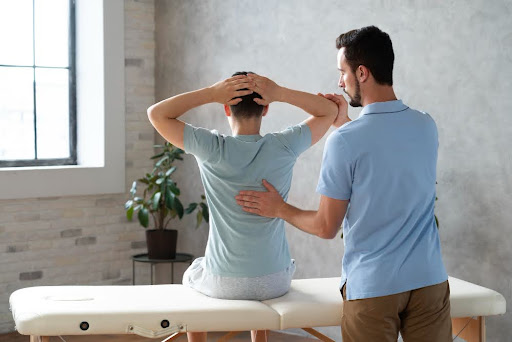
Men's pelvic floor treatment is never a standard issue. It generally starts with an extensive evaluation involving posture assessment, breathing patterns, muscle tone, and pelvic alignment. Treatment can involve manual treatment, directed exercises, biofeedback, and relaxation exercises.
Notably, physiotherapists not only alleviate symptoms but treat the source. With regular sessions and exercises at home, most men experience notable improvement in pain, function, and confidence.
The pelvic floor is a vital part of male health, but it's not considered until symptoms get too much to handle. If you identify with any of these indicators, it's smart to speak with a pelvic health professional.
Dr. Leena Daware, a highly experienced physiotherapist with a practice in Mumbai, is a pelvic rehabilitation specialist. With an interdisciplinary approach incorporating various specialties and her leadership of pelvic clinics, Dr. Leena offers extensive treatment to men with pelvic floor issues. Her client-focused counseling and research-proven techniques provide the individuals silently suffering with relief that they long deserved.
