


 Image credits: Freepik / Pexels
Living with vaginismus can feel confusing and isolating, particularly when they experience physical pain just by the idea of penetration. However, vaginismus is an easily treatable disease, and with proper measures, many women find that they have improved greatly with time. In this case, understanding how vaginismus treatment works may become much easier for them.
Vaginismus refers to a situation where vaginal muscles tighten uncontrollably, causing discomfort or even making penetration impossible. Several repercussions accompany vaginismus, which are not limited to sexual relations but may affect one's psychology and relationships.
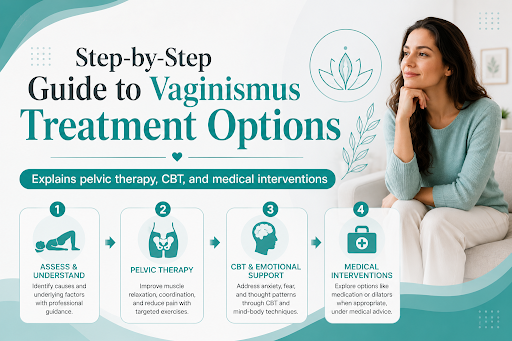
Considering the diverse nature of vaginismus, there is no universal approach to dealing with the disorder. Treatment requires a blend of medical and psychological strategies.
In addition to the physical effects, there are many psychological aspects associated with vaginismus. It is natural for individuals to experience feelings of frustration, shame, or self-doubt, particularly if the disorder influences their interpersonal relationships or self-concept. Taking care of one’s mental well-being is essential in the process of overcoming the condition. Self-acceptance, receiving reassurance, and recognizing the fact that vaginismus is an issue that needs medical attention can all relieve inner stress.
It is a crucial step in realizing when to seek medical attention for an issue, which most individuals tend to overlook because of fear or ignorance. However, if sexual intercourse hurts and affects one's well-being, one should consider consulting a trained physician to get proper treatment. Early action can stop the problem from escalating further and facilitate the commencement of an effective treatment plan. It is not a sign of vulnerability but a measure of wellness.
To start with, a correct diagnosis must be made. Typically, it includes:
Diagnosis is not only meant for confirming vaginismus; it is meant for finding out the root causes of this condition, since they vary from one individual to another.
Pelvic floor physical therapy can be considered one of the most efficient treatments regarding its physical aspects. Its main focus is on pelvic muscle relaxation and strength training.
Consistency is crucial here. While initial progress may seem insignificant, patience will pay off.
As vaginismus tends to have psychological factors associated with it, the process of therapy is critical in helping patients recover from the disorder. CBT assists in managing negative thoughts and feelings associated with the condition.
Therapy is especially effective in treating patients who have been through trauma, suffer from anxiety disorders, or have been scared of intimate relations.
Desensitization can either be used independently or in conjunction with pelvic floor physical therapy and CBT.
It is important to note that desensitization should never be rushed. This is because it aims to help the patient become comfortable with penetration rather than focusing on how quickly the process is completed.
In some cases, medical procedures might be suggested together with therapeutic interventions.
They are used if there aren’t any other effective measures or if symptoms are extremely severe. A professional healthcare specialist will decide what suits you best depending on your case.
If you’re in a relationship, involving your partner can make a meaningful difference. Open communication helps reduce pressure and builds trust.
Partner support will help you feel more relaxed emotionally during recovery.
Cure of vaginismus takes time, effort, persistence, and patience. These are very important aspects of recovery.
Keep in mind:
Acknowledging small achievements helps keep your motivation and positivity level up during the whole process.
The most efficient vaginismus treatment typically involves a combination of physical rehabilitation, psychotherapy, and, if needed, medicinal treatment. Treating both physical and psychological conditions helps achieve more stable results.
It is also vital to select the right healthcare practice that will make you feel secure. Individual treatment that takes into account all aspects of your life can be more effective.
Curing yourself of vaginismus is more than just relieving discomfort; it is about restoring your sense of comfort and control. You can definitely make progress in treating your vaginismus with the proper treatment, techniques, and the right help.
For those considering professional help, vaginismus treatment could consist of pelvic floor physical therapy, sexual counseling for sexual anxiety, dilator therapy for the vagina, painful sexual intercourse therapy, and sexual counseling for women. Having the proper help from a qualified specialist, such as Dr. Leena, would prove to be a good choice.
