


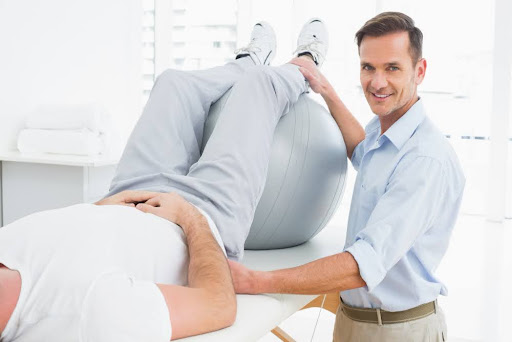
 Image credits: Freepik / Pexels
To undergo prostate surgery, whether for prostate cancer, benign prostatic hyperplasia (BPH), or other prostate-related issues, is a life-changing event for a man. Though surgical innovations have greatly enhanced results, most patients are left struggling with postoperative symptoms like urinary incontinence, pelvic pain, erectile dysfunction, and limited mobility. This is where a prostate surgery rehab physiotherapist becomes a crucial figure in the road to recovery.
Prostate surgery, especially operations such as radical prostatectomy, requires the removal of the prostate gland and the tissues around it. Since this region is closely related to pelvic floor muscles, nerves, and structures that are in charge of urinary control and sexual function, the operation may affect these systems temporarily or even permanently.
Some normal post-operative side effects are:
These symptoms can lead to emotional stress, decreased confidence, and disrupt daily life. Thankfully, physiotherapy presents safe and effective measures to treat and enhance these conditions.
A prostate surgery rehab physiotherapist has an essential role in assisting patients in achieving control, functioning, and comfort post-surgery. Physiotherapy is centered on strengthening muscles, neuromuscular re-education, pain management, and confidence restoration.
How physiotherapists work towards recovery:
The pelvic floor muscles usually weaken or become less active after prostate surgery. Strengthening the muscles is the solution for controlling urinary incontinence. A physiotherapist instructs specific exercises to enhance muscle tone, endurance, and coordination.
The patient is initially instructed on how to correctly contract the pelvic floor muscles, and subsequently instructed with progressive training. It helps decrease leakage during coughing, sneezing, or lifting.
Regaining bladder control is a slow process and requires persistent practice. A physiotherapist assists in organizing a controlled bladder training regimen, which could include timed voiding, managing fluid intake, and becoming aware of signals of urgency.
In addition to exercises, functional training like posture improvement, breathing, and abdominal muscle control can also contribute to continence.
Discomfort or stiffness in the lower abdomen or perineum after surgery can delay recovery. Physiotherapists apply manual therapy approaches such as soft tissue mobilization, scar tissue release, and gentle stretching to ease tension and facilitate healing.
Pain control methods like heat therapy, biofeedback, or electrical stimulation can also be applied.
Erectile dysfunction is a frequent issue after prostatectomy. Although physiotherapy cannot substitute for medical or drug treatments, it can complement them well. Pelvic floor muscle strengthening has been found to enhance erectile functioning in certain individuals.
Therapists can also address patients in body awareness, minimizing performance anxiety, and slowly rebuilding sexual comfort.
Surgery leaves patients physically weak and not willing to move easily. A prostate surgery rehab physiotherapist promotes safe mobility, enhances flexibility, and assists patients in a gradual return to daily activities. Basic mobility exercises, walking programs, and posture adjustments can greatly enhance energy levels and avoid complications such as blood clots or muscle atrophy.
Physiotherapists tend to be a source of inspiration and emotional support for men undergoing recovery. They encourage and empathize with patients to help them deal with anger and feel more in control of their bodies.
In the majority of situations, physiotherapy starts a few weeks or days following surgery, as advised by the surgeon and the patient's condition. Pre-surgical instruction and exercise, conducted by some physiotherapists, helps to prepare the pelvic floor in advance, and evidence indicates this will result in quicker healing.
Prostate rehab is not simply healing incisions; it's about getting a man's confidence, independence, and quality of life back on track. The care and instruction of a trained prostate surgery rehab physiotherapist can be the difference-maker in making this happen.
In Mumbai, Dr. Leena Daware is a well-relied-upon pelvic rehabilitation expert. Being a senior physiotherapist at Sion LTMG hospital and a collaborative worker with multidisciplinary professionals, she implements individualized, efficient rehab solutions based on each patient's experience. Dr. Leena's empathetic care and evidence-based physiotherapy have empowered many men to regain control, comfort, and dignity following prostate surgery.
