


 Image credits: Freepik / Pexels
Pelvic pain is a frequent symptom in men and women, but its cause is often not understood. Perhaps the most underappreciated and important cause of chronic pelvic pain is pudendal nerve irritation. Many patients misattribute it to other conditions of the pelvis, such as endometriosis, interstitial cystitis, or pelvic floor dysfunction. As a physiotherapist treating pelvic health disorders, I commonly receive patients who have been undiagnosed or misdiagnosed for years. Educating oneself on how pudendal nerve pain manifests and how it differs from other pelvic disorders is the first step toward appropriate treatment and healing.
The pudendal nerve travels within the pelvis and innervates the genitalia, anus, and perineum. If this nerve becomes irritated or compressed, it results in pudendal neuralgia. Patients typically complain of burning, stabbing, tingling, or numbness in the pelvic area. Unlike typical pelvic pain, this form of discomfort usually gets worse when sitting and better when standing or supine.
Symptoms, in some instances, may involve heightened sensitivity, urinary urgency, or pain during intercourse. The characteristic sitting-related pain pattern is one of the most characteristic features to differentiate pudendal neuralgia from other pelvic conditions.
Endometriosis results when endometrium-like tissue develops outside the uterus, leading to inflammation, pelvic cramping, and occasionally infertility. Although both endometriosis and pudendal nerve pain are painful in the pelvic region, endometriosis pain tends to be cyclical, whereas pudendal pain is not cyclical but associated with posture.
Pelvic floor muscle dysfunction is characterized by pelvic muscle tightness, weakness, or lack of coordination. It may present with a similar pain to pudendal neuralgia since both conditions can be painful during intercourse or defecation. Pain in the case of pelvic floor dysfunction usually occurs as a result of muscle tension, and relief is obtained by relaxation or retraining exercises. Pudendal nerve pain results from entrapment of the pudendal nerve and needs a varied therapeutic intervention.
It results in bladder pressure, urgency to urinate, and pelvic pain. The patient may mistake it for pudendal neuralgia due to similar symptoms such as pain in the pelvic area and pain on urination. However, unlike pudendal nerve pain, pain from interstitial cystitis is directly related to bladder filling and emptying, rather than sitting position.
Occasionally, lower back or hip disorders can refer to the pelvis, mimicking pain from the pudendal nerve. Clinical evaluation in detail and imaging assist in excluding spinal etiology before diagnosing pudendal neuralgia.
Most patients spend years making their way from one specialist to the next, undergoing various treatments without any relief. Misdiagnosis not only prolongs recovery but also creates unnecessary medical procedures. This is why it is important to be able to detect the fine details between pudendal nerve pain and other pelvic conditions.
A complete clinical assessment, thorough history, and select diagnostic testing (e.g., nerve blocks or MRI) assist in establishing the diagnosis. Pelvic health physiotherapists are important in identifying patterns, analyzing posture, and establishing the involvement of muscles.
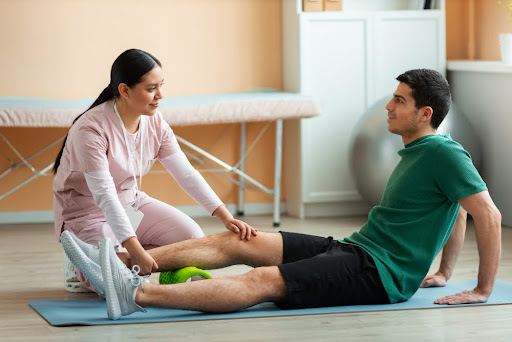
Physiotherapy is among the most effective methods of Pudendal Neuralgia treatment. With a combination of manual therapy, posture improvement, mobilization of the nerves, and pelvic floor relaxation exercises, physiotherapy focuses on lessening irritation of the nerves and regaining function. Lifestyle changes such as the prevention of extended sitting, the utilization of cushions, and performing gentle exercises that minimize pelvic pressure are also taught to patients.
For patients with coexisting pelvic disorders, physiotherapy is an all-encompassing solution. Not only does it treat pain caused by nerve irritation, but it also muscle strengthening, bladder control, and general pelvic conditions.
Pelvic pain is complex, but recognizing the unique signs of pudendal nerve pain can make all the difference in finding effective treatment. Differentiating pudendal neuralgia from conditions like endometriosis, pelvic floor dysfunction, or bladder disorders ensures that patients receive targeted therapies rather than prolonged trial-and-error treatments. With timely diagnosis and the right guidance, relief and recovery are possible.
For those suffering from chronic pelvic pain, investigation into specialized treatments such as Pudendal Neuralgia treatment may be the very beginning of living a more fulfilling life. With guidance from specialists such as Dr. Leena Daware, patients are able to gain clarity, get relief, and receive a tailored solution to their condition.
