


 Image credits: Freepik / Pexels
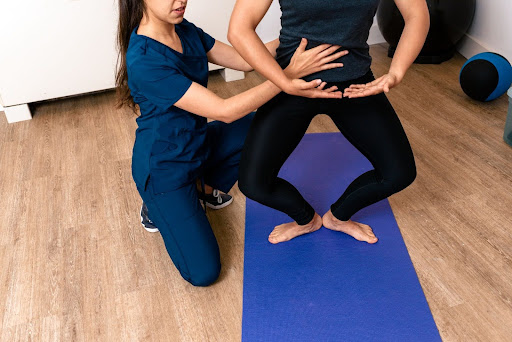
Childbirth brings profound changes to a woman’s body. While much attention is given to caring for a newborn, recovery for the mother is just as important. Throughout pregnancy and labor, muscles, joints, and connective tissuesespecially in the pelvic regionare severely strained. When a new mother exercises with a Women's pelvic floor physiotherapist, it may significantly contribute to her regaining strength, comfort, and confidence in her daily life.
The pelvic floor consists of muscle and tissue layers that hold up the bladder, uterus, and bowel. Muscles get stretched during pregnancy to make room for the baby. After a vaginal delivery or even a C-section, the muscles may become weak or lose coordination. This can result in problems such as urine leakage, a feeling of heaviness in the pelvis, difficulty or pain on movement, and pain during intercourse.
These symptoms are common, but they are not something women have to simply “live with.” With proper coaching and treatment, the pelvic floor can heal very well over time.
Every woman’s childbirth experience is different. Some recover quickly, while others notice symptoms weeks or even months later. If the body is not properly supported, hormonal changes, lack of sleep, and the physical demands of caring for a baby can all be factors that hamper healing.
Postpartum physiotherapy concentrates on:
Early assessment allows issues to be addressed before they become chronic.
Many women are uncertain about what is safe for their bodies after childbirth. Even the simplest activities, such as lifting the baby, getting out of bed, or resuming household work, may confuse them and even intimidate them. Education plays a significant role in postnatal physiotherapy, helping women understand how their bodies heal and how to move safely during recovery. Learning correct posture, body mechanics, and breathing patterns reduces unnecessary strain and optimizes the course of natural healing. This clarity often prevents setbacks and builds confidence in women to resume their daily activities without fear of harming themselves.
Among the many advantages of working with a Women's pelvic floor physiotherapist is the personalized approach. Instead of a standardized exercise plan, the therapy first seeks to know your delivery, symptoms, daily routine, and goals.
The assessment can cover a wide area, such as posture, breathing patterns, how the abdominal muscles work, and the strength of the pelvic floor. A customised plan that fosters healing without straining the body is then made.
This individual attention helps women feel reassured and informed about what is normal during recovery, and what needs support.
A woman's pelvic floor physiotherapist is the best help to seek in this journey to recovery from childbirth, as she is trained to identify her patients' needs, address and treat them through different modalities. The issues, among others, that can be handled with physiotherapy include:
It is not rare that after the concerns are dealt with, the women experience a rebirth of movement confidence, and they are now able to do their daily activities without hesitation or fear.
Physiotherapy means gradual progress. It is about rebuilding a stable foundation. Physiotherapy focuses on gradual progress, starting with awareness and control before adding strength.
Usually, this comprises:
As the strength gets better, exercises are done to keep up with daily life and future fitness goals.
Many new mothers are eager to get back to walking, yoga, or the gym but aren't sure when or how to begin. A structured recovery plan bridges the gap from rest to physical activity. Movement is gradually reincorporated to ensure that the body is ready for an increase in load. This approach not only reduces the risk of injury but also supports sustainable strength building. Not only focusing on the intensity of the movements but rather on the quality allows women to get safely back into an active lifestyle without forcing their body into an unnatural timeline.
Physical post-delivery symptoms have an impact on emotional health. A woman might feel frustrated and disconnected from her body when suffering from unexpected post-delivery complications. Professional advice would help to alleviate her concerns.
Within physiotherapy sessions, there are also opportunities to ask questions, grasp changes in the body, as well as feel supported during a potentially vulnerable period in life, which could play a significant role in one’s overall wellbeing by feeling ‘informed’ and ‘in control.’
Pelvic floor health is a lifelong issue that should not only be focused on during the postpartum period. Early treatment of problems will lessen the women's frustration later on and will be a great help to those who are planning to go back to work, engage in physical activities, and carry out their daily routines.
Strong pelvic floor function supports:
This base plays a major role in the life of a woman after giving birth.
Recovery after childbirth deserves time, patience, and the right expertise. A Women's pelvic floor physiotherapist is the right person to help you understand your body, heal it safely, and be well-informed to keep using your body properly later on, with health as your focus and not only a quick fix.
Postnatal care at our practice is delivered with clinical experience and empathy. Guided by the work of Dr. Leena, women are supported with evidence-based care designed to respect each woman's unique recovery journey. By combining pelvic floor physiotherapy, postpartum physiotherapy, pelvic floor exercises, urinary incontinence, diastasis recti, and pelvic pain, we hope to help mothers regain strength, comfort, and confidence to move forward in this new phase of life.
