


 Image credits: Freepik / Pexels
For most men, sexual closeness is vital to overall health and quality of life. However, when discomfort or pain during intercourse occurs, it can become more than just a physical problem. It frequently has emotional, psychological, and relational undertones that might not be easy to discuss frankly. Knowing why this is and how to work on it is the key to restoring physical comfort and faith in intimate relationships.
Painful intercourse, or dyspareunia, is less openly talked about in men than in women, but it isn't unusual. The pain can be at the tip of the penis, deep inside the pelvic area, or even radiate to the lower back. Its common causes are pelvic floor muscle dysfunction, infections, prostatitis, scar tissue, or musculoskeletal imbalances. In other instances, chronic stress, poor posture, and unresolved injuries also cause tension in the pelvic muscles, which makes intimacy painful.
When men feel pain during intercourse, the body tends to retaliate with protective mechanisms. Muscles in the pelvic floor may become even tighter, blood flow may be cut off, and sensitivity in the region may become heightened. This pattern of pain and muscle tension repeats and intensifies with time, with each subsequent effort at intimacy becoming more painful.
Furthermore, there are physical repercussions that can go beyond intercourse itself. Men might suffer from urinary urgency, trouble with bowel movements, or chronic pelvic pain that interrupts daily routines. The body's response to pain isn't contained, hence it will interfere with overall musculoskeletal balance and posture.
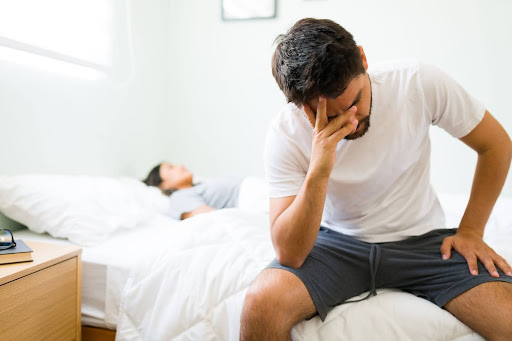
The psychological burden of painful sex can be just as important. Men tend to pull away from intimacy for fear of pain, leading to feelings of inadequacy, guilt, or frustration. Pre-sex anxiety tends to exacerbate the tension in muscles, making a vicious cycle develop where mind and body reciprocally perpetuate the discomfort.
Long-term experiences with painful intimacy can also impact relationships. The partner might assume the avoidance is a sign of a lack of interest, and misunderstandings or tension result. For a lot of men, silence about such matters heightens feelings of isolation because they are reluctant to talk about such a sensitive issue with friends, relatives, or even medical practitioners.
One of the most helpful methods for treating both the physical and emotional effects of pain during intercourse is pelvic floor physiotherapy. Pelvic floor therapy emphasizes finding dysfunction in the muscles that support the bladder, rectum, and reproductive organs. These muscles are crucial to sexual well-being, and when they tighten up too much, become weak, or get out of sync, pain tends to result.
Through specific exercises, stretching, relaxation exercises, and manual therapy, physiotherapists are able to release tension, increase blood flow, and restore normal muscle function. Breathing and relaxation techniques are also learned by men to manage anxiety during sex. With time, these techniques not only decrease pain but also increase confidence and comfort during sexual relationships.
Recovery from painful sex is not merely a matter of treating the muscles but also of overcoming the psychological impact. Mind-body techniques such as relaxation training, stress management, and counseling may assist men in overcoming the cycle of fear-pain. Honest communication with partners is equally important. If couples know that the problem is medical and curable, they can work towards recovery without frustration or blame.
In addition to physiotherapy, a number of lifestyle changes can support recovery:
Each of these minor adjustments can assist in building a space where the body is less tense and better set up for intimacy.
Pain during intercourse in men is a delicate but manageable condition. Disregarding it not only prolongs physical distress but also adds to the emotional and relational tension that goes with it. Proper advice can help men regain both their physical well-being and emotional self-worth. Pelvic floor physiotherapy, supplemented by psychological counseling and changes in lifestyle, is a holistic route to a cure.
From a clinical standpoint, working with both the body and mind simultaneously results in the most optimal and enduring outcomes. Dr. Leena Daware's experience in pelvic rehabilitation guarantees that men are provided with the proper care and modalities to overcome these issues and restore comfort, intimacy, and general well-being.
